
Blog
Dental hygiene tips for healthy teeth & gums
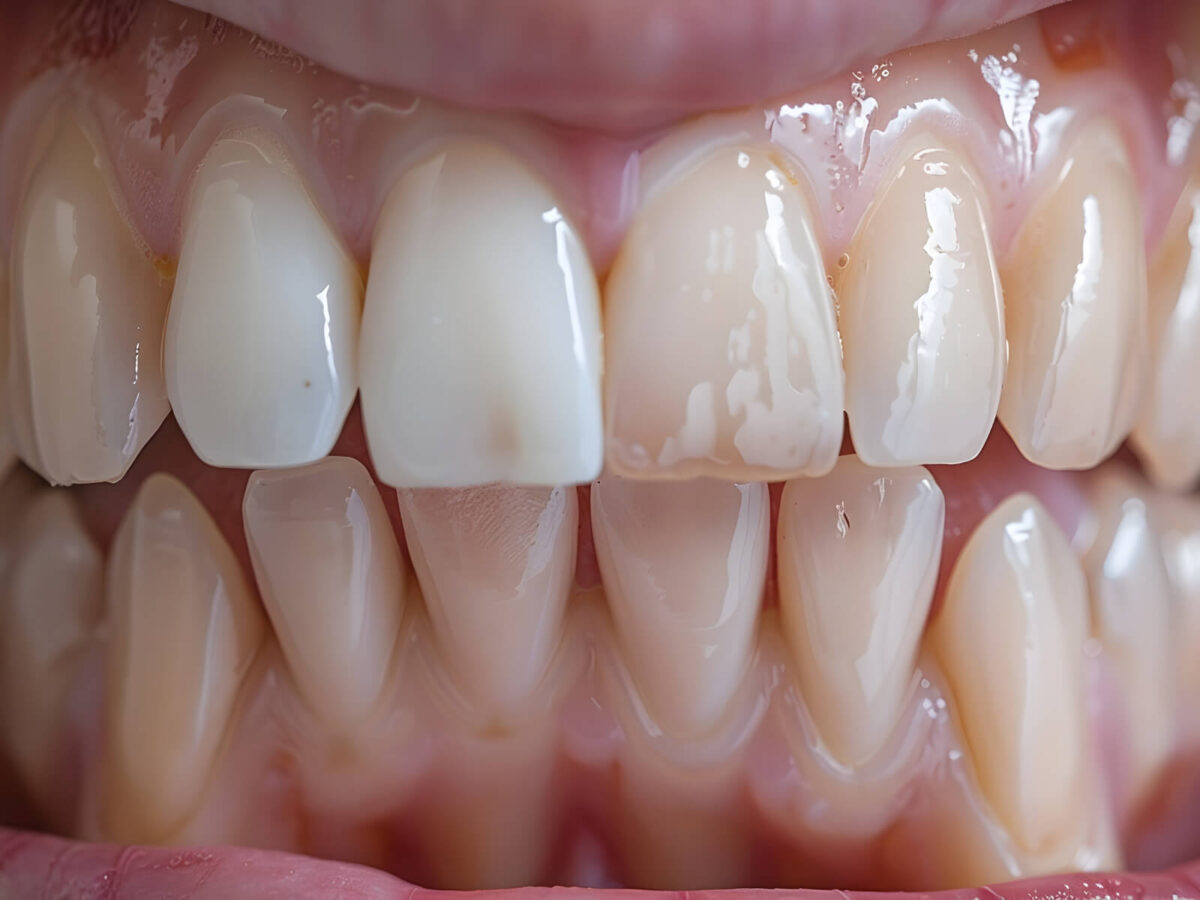
The Link Between Diabetes and Gum Disease
Diabetes and Your Mouth: A Connection That’s Easy to Miss
When you think about diabetes, your mind probably jumps to numbers on a glucose meter, carb counts, or maybe insulin shots. What most people don’t realize? Diabetes doesn’t just live in your bloodstream. It shows up in your gums, too.
At Liberty Dentist TX, we’ve seen patients come in for a “simple cleaning” only to discover that their gum health is quietly being shaped by their diabetes. The relationship is stronger than people expect. Gum problems get worse faster, infections stay longer, and healing always takes time.
This isn’t just about avoiding sore gums or bad breath. It’s about overall health.
Why Diabetes Puts Gums at Risk
When you have diabetes, your body can’t fight infections properly. Healing takes a long time, your defenses lag, and bacteria can take over.
Now think about the mouth. It’s full of bacteria—most of them harmless, but some not so friendly. Normally, your body keeps those bacteria under control. If you have diabetes, especially if blood sugar isn’t well managed, bacteria thrive. They multiply. They stick to teeth and gums and cause irritation. And irritation is where gum disease begins.
High blood sugar also affects saliva. It often gets thicker, sometimes with less overall flow. Without enough saliva, food and bacteria linger longer. That sets up trouble: sugar, germs, and weak defense.
How Gum Health and Blood Sugar Affect Each Other
Here’s where it gets complicated. Diabetes can raise the chance of gum disease, and in turn, gum issues can mess with your blood sugar.
When gums get inflamed, they trigger changes that drive sugar higher. So even with diet control and meds, untreated gum disease can leave numbers tough to manage.
It’s a cycle—one condition feeds the other. The good news? Breaking that cycle is possible with early care.
What to Watch Out For
Gum disease doesn’t usually shout. It whispers. A little blood when brushing. Redness near the gumline. Breath that doesn’t freshen, no matter how much you brush. Soreness when chewing.
These signs seem small. Simple to ignore at first glance. But with diabetes, they can worsen fast. What starts as mild gingivitis may become periodontal disease faster than expected.
What Happens If It Progresses
If gum disease is left untreated, the infection works its way deeper. Gums start pulling away from teeth. Pockets form, trapping even more bacteria. Bone loss follows. Teeth loosen. Some may even fall out.
And here’s the kicker: with diabetes, the body doesn’t bounce back easily. A simple extraction takes longer to heal. Infections spread faster. What could have been managed early now becomes a more complicated problem.
Why Regular Dental Care Is Non-Negotiable
For most people, two dental visits a year are fine. For diabetics? Not always.
At Liberty Dental Office TX, we often recommend more frequent cleanings and check-ups. Why? Because gum issues that might take years to develop in someone else can progress within months in a diabetic patient.
These visits aren’t just about scraping away plaque. They’re checkpoints. Swollen gums or lingering cuts can warn you early, before the problem grows.
You can think of checkups as a small but important part of managing diabetes. Just as important as checking blood sugar.
How Dentists Spot Trouble Early
During an exam, your Liberty Dentist TX will measure gum pocket depth. That’s the space between the gum and tooth. Deeper pockets mean gum disease is taking hold.
X-rays reveal bone loss. We also pay close attention to how your gums respond after a cleaning. Do they heal quickly? Do they stay inflamed? These clues matter.
That extra attention helps us act before problems become irreversible.
Easy Habits That Make a Difference
Let’s keep it simple. Stop problems before they start.
- Try to keep blood sugar steady. Big swings just make gums worse.
- Brush twice a day.
- Floss every day.
- Drink water whenever you can. Dry mouth is common with diabetes.
- Skip tobacco. Smoking really ups your gum disease risk.
Little habits, done all the time, really make a difference.
When Deep Cleaning Becomes Necessary
Sometimes brushing and routine cleanings aren’t enough. That’s where scaling and root planing—deep cleaning—comes in.
It’s not just about polishing teeth. The dentist goes below the gumline to remove bacteria and smooth root surfaces so gums can reattach.
For diabetics, this does more than protect teeth. It can actually help blood sugar control by reducing inflammation in the body. Patients often notice their numbers improve after periodontal treatment.
Beyond Gum Disease: Other Oral Health Risks in Diabetes
There’s more.
- Dry mouth: When there isn’t enough saliva, teeth get weaker and cavities show up faster.
- Thrush: High sugar in the system gives yeast the perfect chance to grow.
- Slow healing: Even tiny cuts or sores can hang around way longer than you’d expect.
Seeing these things sooner rather than later can save you bigger trouble down the road.
Everyday Tips That Actually Help
Check your gums in the mirror once in a while. See if they look red or puffy. Change your toothbrush every few months—soft bristles only. Can’t brush after a meal? Swish with water, even plain water works. It helps to schedule dental visits after you eat. Those small habits, done over time, actually add up.
Teamwork Makes a Difference
Managing diabetes isn’t a solo thing. Your doctor keeps an eye on your sugar levels, and your Liberty Dentist TX looks after your gums. When they actually talk, you get better care. Say your dentist spots gum problems—they can flag it to your doctor.
When your doctor switches your meds, let your dentist know. Mouth problems can show up fast, and catching them early makes a difference. When both sides share what they see, it takes pressure off you and makes managing diabetes feel a little less heavy.
Research Backs It Up
Studies show people with diabetes are two to three times more likely to develop serious gum disease. That’s not a small number.
But studies also show this: treating gum disease improves blood sugar control. Oral health and overall health aren’t separate. They’re connected—deeply.
The Role of Personalized Care
Every patient is different. Some diabetics struggle with dry mouth daily. Others with recurring infections. That’s why cookie-cutter advice doesn’t cut it.
At Liberty Dental Office TX, care plans are personalized. Some patients benefit from more frequent cleanings. Others need special rinses or fluoride treatments. The goal is the same: protect gums, protect health.
Conclusion
One makes the other worse. Diabetes weakens your gums, and gum disease pushes sugar levels up. Even so, if you pay attention and see your dentist, that cycle can be stopped.
Don’t wait for pain or loose teeth to tell you something’s wrong. Early gum changes are the body’s first warning sign.
Your Liberty Dentist TX is here to help. By protecting your gums, you’re not just saving your smile, you’re supporting your overall health.

