
Blog
Dental hygiene tips for healthy teeth & gums
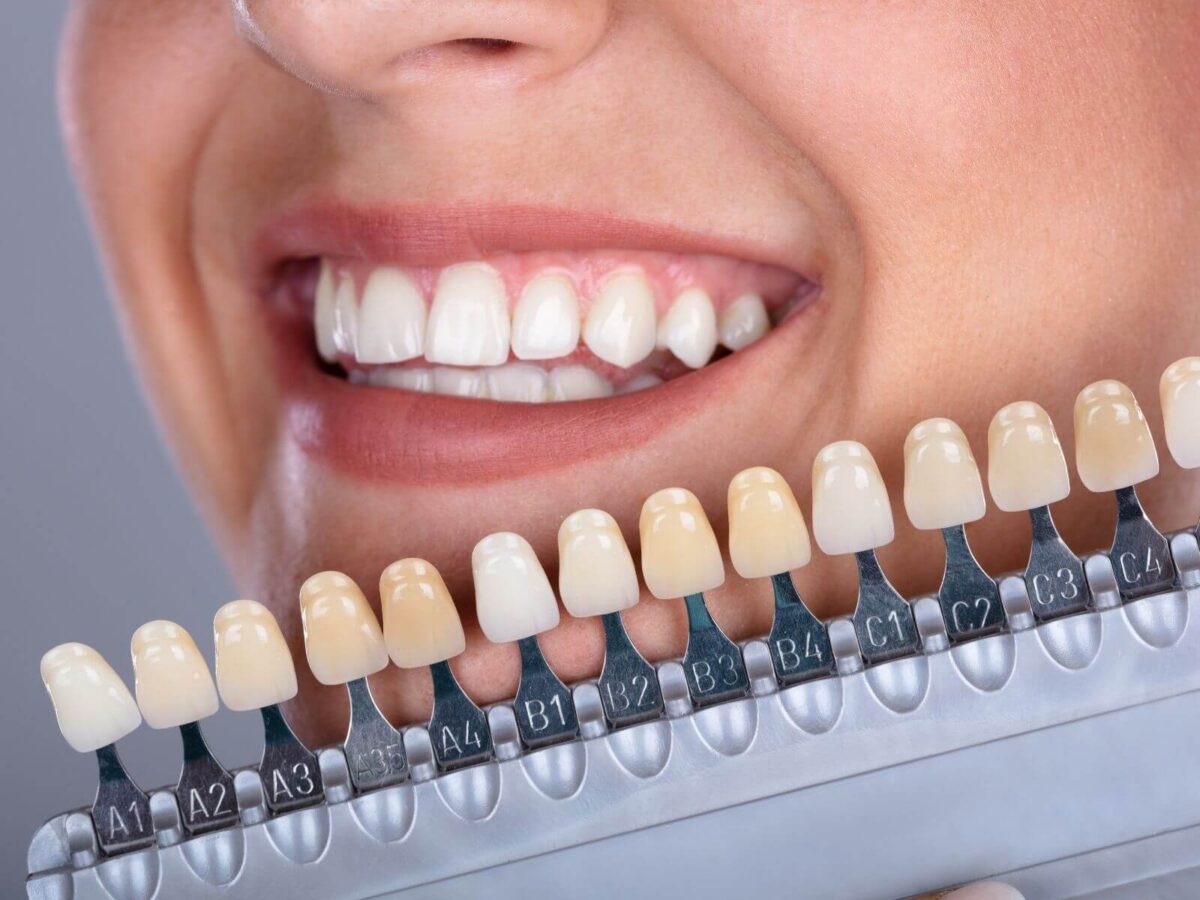
Teeth Whitening for Sensitive Teeth: Safe and Effective Methods
A whiter smile sounds great until sensitivity steps in. Even a simple drink can cause a sharp little reminder that comfort matters. That is why teeth whitening for sensitive teeth should move at its own pace. Stains appear no matter what, and ignoring them does not help. With a softer routine, enamel stays comfortable, and the colour brightens little by little. When teeth whitening for sensitive teeth fits your needs, the whole process feels easier to handle.
Why Sensitivity Happens Before Whitening
Teeth get sensitive when enamel wears down or when gums shift back a bit. That protective layer keeps the nerve comfortable, so once it changes, cold and pressure reach deeper. A chilled drink or a quick bite can give a sharp reminder that something is different.
Grinding at night or brushing a little too hard can make it worse.
Some feel it often, others barely notice. Knowing what is going on makes teeth whitening for sensitive teeth easier to plan. A bright smile should still feel calm every time you show it.
A Softer Way to Whiten at Home
Toothpastes designed for tooth whitening for sensitive teeth take a calmer approach. They lift surface stains slowly with softer polishing ingredients that do not overwhelm the enamel. Along with that, they often include minerals that help calm the nerves inside the tooth. Instead of a sudden jump in colour, the improvement happens little by little with daily brushing, which feels far less risky for anyone who deals with quick stings from cold foods or brushing.
These pastes do more than brighten. They help strengthen the enamel by filling tiny openings that lead toward the nerve. Over a few weeks, that protection builds up and sensitivity becomes easier to manage in everyday life. Someone can enjoy their morning drink without bracing for a shock, while still seeing a fresh, clean look in the mirror. It is a slow but steady path that supports confidence and comfort at the same time.
Low Sensitivity Whitening Strips
Whitening strips feel simple to use at home. The key is choosing the ones made for teeth whitening for extremely sensitive teeth. These products use lower whitening levels, so the change is nice and comfortable. Lining the strips properly helps avoid the gums, where the discomfort normally comes from.
Taking breaks between uses allows enamel to rest and keeps things calm. Sipping water that is not ice cold can help a lot while whitening. The results come a bit at a time, yet staying comfortable keeps the routine going.
Custom Whitening Trays from the Dentist
Some people feel better having a dentist involved. The tray they make fits just right, keeping the gel on the tooth surface and away from sensitive gum tissue. That helps teeth whitening for sensitive teeth feel easier to get through.
The best part is someone is watching out for you. If things feel off, the gel can be lighter next time. They can add something that protects the enamel, too. You still get a brighter smile, just without the sudden zaps.
Whitening at the Dental Office
Some people prefer to brighten their smile in just a few visits. A professional whitening procedure applies gel under careful supervision. The dentist shields the gums first and checks for areas that could react strongly. The plan is a quick colour lift while keeping sensitivity low.
The dentist watches how teeth respond and adjusts the plan if something feels off. That guidance helps people who want whitening to move quickly while still keeping comfort a priority every step.
Strengthening Enamel While Whitening
Whitening is simpler when the enamel feels supported. Fluoride and toothpastes made for sensitivity help the teeth stay settled and comfortable. They strengthen the surface so that tooth whitening for sensitive teeth does not cause extra trouble along the way.
Using those products before whitening begins and sticking with them keeps sensitivity down. The colour shift comes in a smooth and steady way. That turns whitening into a normal habit rather than a daily concern.
Small Habits That Protect Comfort
Teeth notice more than we think. Drinks that are steaming hot or freezing can poke at sensitive spots fast, so staying closer to warm or cool helps. Acidic snacks have a way of making enamel feel softer, too. Water or something milky can help balance things out while you are whitening. Just sipping water between meals lets saliva rinse things away. It is simple, but it makes whitening less stressful for the teeth.
Timing Matters
Whitening feels easier when the pace stays slow. Teeth get a break between sessions, which helps reduce soreness and irritation. Shorter whitening times let enamel recover before the next step. Progress still happens, just without those sharp reactions that make people want to stop and give up on whitening altogether.
Long-lasting results come from consistent care afterwards. Avoiding frequent stain-causing foods like coffee or tea and keeping nightly cleaning on track protects the improved shade. When the schedule feels right, whitening fits comfortably into daily routine.
Check Before Starting
It is smart to have a dentist check things out before whitening. They can find small trouble spots that would not feel great later. That way, teeth whitening stays calm instead of suddenly becoming painful. Fixing those first keeps teeth whitening for sensitive teeth feeling safer and more relaxed from the beginning.
That short visit also helps build a plan that feels comfortable for real life. You are not stuck guessing what product to buy or how often to use it. The whole focus stays on a smile that keeps looking good and feels good, too.
Knowing When to Slow Down
Discomfort should never be ignored. If the reaction to cold foods becomes sharper or chewing creates a sudden jolt, it helps to pause for a short time. Whitening is not erased by a break. The enamel and gums simply get the rest they need.
Talking to a dentist during this pause helps adjust the next step so progress continues comfortably. It saves time in the long run and protects the smile from bigger problems that could follow if stress continues without a pause.
Confidence That Feels Natural
A bright smile feels good in real life, not only in photos. People want to feel relaxed when they talk and laugh. With teeth whitening for sensitive teeth, the changes stay gentle, so comfort remains a priority. Protective toothpaste, supportive products, and good advice keep enamel strong while the colour becomes brighter over time.
When the smile looks better and still feels right, confidence comes naturally. Whitening turns into a normal step in personal care instead of something that brings stress or hesitation each day.
Seeing a dentist first helps whitening feel safer when teeth react easily. They suggest gentle choices that keep enamel strong while the smile gets brighter. If sensitivity has held you back before, that one calm visit can make the whole thing feel easier.

