
Blog
Dental hygiene tips for healthy teeth & gums
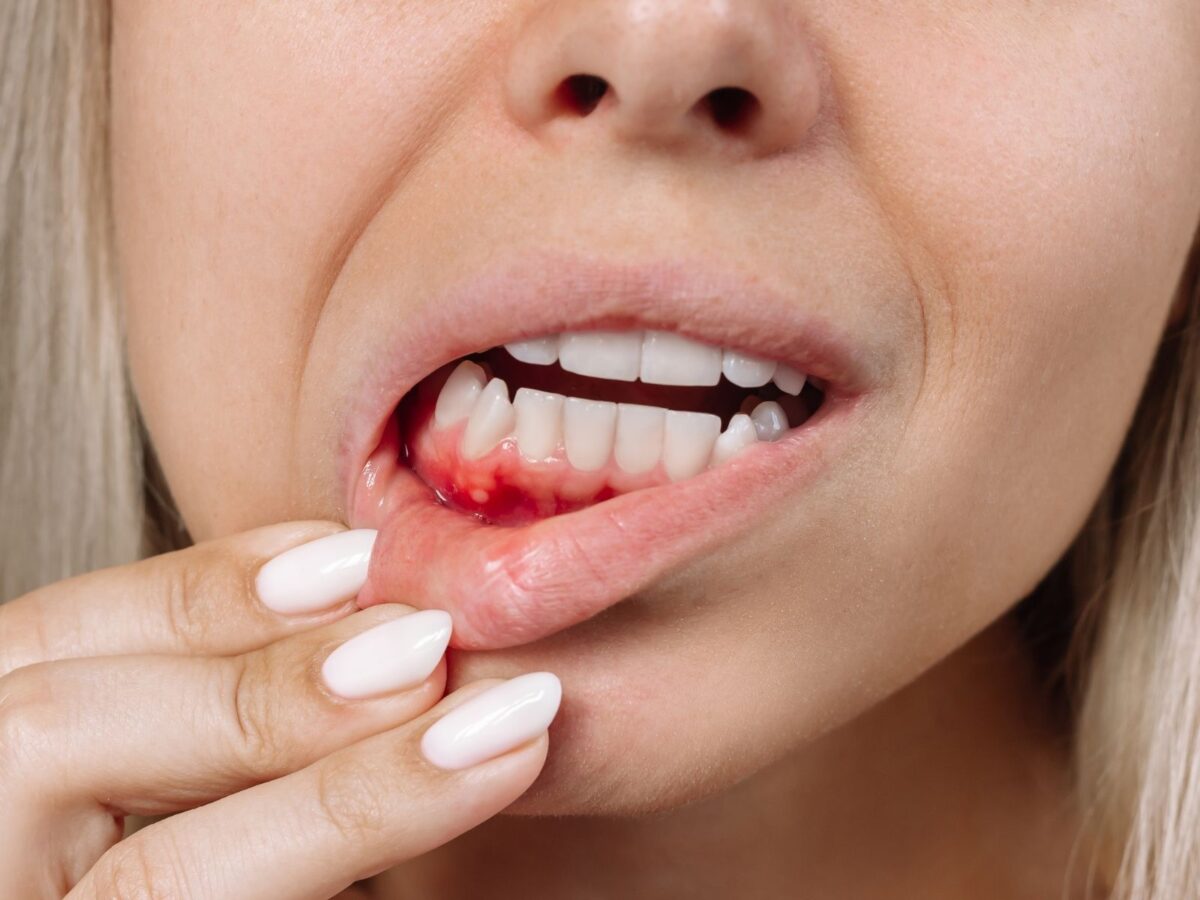
How to Stop Bleeding Gums: From Home Remedies to Dental Treatment
At first, it does not feel like anything serious. You are brushing like usual, then you notice a bit of red. Not much, just enough to catch your attention. You rinse and move on without thinking much about it. Then it happens again. Maybe not the same day, but soon enough to notice.
That is when it starts to sit in your mind a little longer. Not urgent, but not something you can completely ignore either. Somewhere around then, the thought comes up, how to stop my gums from bleeding, and if it is really a small issue or not. Once it keeps happening like that, it does not really feel random anymore.
Why Gums Start Bleeding In The First Place
Most of the time, bleeding gums do not start from one clear reason. It is more gradual than that. Plaque builds up along the gums and just stays there quietly. You might not notice it at all in the beginning. Nothing looks wrong. But the gums still react to it. They get irritated slowly, and then you start seeing blood, even with light brushing. It can feel sudden, but it really is not.
The CDC states that almost fifty percent of adults aged 30 years and above have gum disease. It is high, but it demonstrates that this is not as uncommon as people believe.
Why Brushing Harder Doesn’t Solve It
Most people end up cleaning more aggressively at first. If there is bleeding, it seems like you should just clean it better. So people press harder with the brush, thinking it’ll fix the issue faster. But that tends to backfire.
The gums are already irritated. More pressure just adds more stress. It doesn’t remove the underlying cause. Then some people go the opposite way. They avoid brushing that area completely. That doesn’t help either. Because the plaque stays there, and the irritation continues quietly underneath. So it’s not about doing more or less. It’s about doing it differently.
What You Can Actually Do At Home (And Why It Feels Slow At First)
This part is where expectations matter. You do not see improvement overnight. You just keep brushing gently twice a day and wait for it to settle. You floss, even if it causes a bit more bleeding at first. That part feels counterintuitive. It looks like flossing is making it worse. But it’s not. It is just showing what was already going on underneath.
Over a few days, sometimes a week, things start to shift. The gums become less sensitive. The bleeding reduces gradually, not suddenly. Salt water rinses are often suggested too. They don’t fix the root problem, but they can calm the tissue slightly. Just enough to support healing.
So when people try to stop bleeding gums, the change feels slow. That’s normal.
What Plaque Can Lead To Over Time
This is where things quietly change. When plaque is not cleared away regularly, it slowly turns hard. That hardened form is tartar. And once tartar forms, brushing doesn’t remove it anymore. It sits there, usually along the gum line, and keeps the irritation going. That’s when home care alone stops being enough.
The National Institute of Dental and Craniofacial Research points out that if gingivitis is left alone, it can turn into something more advanced when plaque keeps building up. At that stage, you usually need to handle it a bit differently.
When Bleeding Gums Need Professional Treatment
If the bleeding does not settle after a few weeks, even with a better routine, it is probably not just a surface issue. That’s where bleeding gums treatment moves beyond home care.
A dentist or hygienist can remove tartar buildup that you can’t reach. That alone often reduces the inflammation significantly. There are times when a deeper cleaning makes sense. But not every time. It depends on how long it has been building up.
What Dentists Actually Check (And Why It’s Not As Complicated As It Sounds)
When you go in, it’s usually straightforward. They look at the gums. Check how easily they bleed. Sometimes, measure the space between the gums and teeth. That part sounds more technical than it feels. It helps them understand how deep the inflammation has gone. If it’s still early, cleaning and better daily care are usually enough. If it’s more advanced, they plan the next steps accordingly. Nothing rushed. Just step by step.
What The Data Shows About Gum Health Over Time
This isn’t something that affects only a small group of people. The American Academy of Periodontology has reported that gum disease becomes more common with age, affecting a large portion of adults at some level.
At the same time, research shows that the early stages are reversible. That’s the important part. That is because bleeding gums usually show up early, not at the final stage. So even if the numbers sound worrying, they also mean there is still time to catch it.
Why Ignoring It Changes Things Gradually (Not Suddenly)
Nothing dramatic happens overnight. That’s why people wait. The bleeding stays mild. No major pain. No obvious damage. So it feels manageable. But underneath, things can shift slowly. The gums may start pulling away slightly. Small pockets form. Bacteria settle deeper. That’s when it becomes harder to reverse. So ignoring it doesn’t keep things the same. It just lets them change quietly.
Other Causes That Don’t Always Get Considered
Plaque is not the only reason every time. Hormonal shifts can make gums react more easily. Some medications can affect how they behave too. Even a lack of vitamin C can be involved. So if everything seems right but bleeding still happens, it is worth thinking beyond brushing. Sometimes, it is not just about the daily routine.
When Do You Actually Start Seeing Improvement
This part varies. With milder cases, you may start seeing small changes after a few days. The bleeding drops, and the sensitivity calms down. But it’s not instant. It fades gradually. For more advanced cases, it takes longer. Sometimes professional cleaning is needed before things start improving properly.
So when asking how to stop my gums from bleeding, the answer isn’t about speed. It’s about consistency.
FAQs
Why does it bleed even when I am brushing normally?
In most cases, it is just plaque bothering the gums. Once that happens, even normal brushing can trigger bleeding.
Can I treat this myself? Or do I need treatment?
You can try improving your routine first. Be gentle, keep flossing, and stay consistent. It usually helps over time.
When does it stop being a small issue?
If you have been waiting for it to settle and it just is not, that is usually the point where getting it looked at makes sense.
Are bleeding gums always a big problem?
Not always. But it is still a sign that something is not quite right.
Conclusion
A lot of people type in how to stop my gums from bleeding, thinking there is an easy answer. It usually takes a bit more than that. In most cases, it is about daily habits, and honestly, not putting it off.
Bleeding that keeps coming back is not something to ignore. It usually means your gums need proper care. The good thing is that bleeding gums treatment can be simple if you deal with it early. A dental visit can clear things up pretty quickly and give you direction.
If you have been trying different things to stop bleeding gums and it still keeps happening, that usually means something is being missed. It is not always obvious on your own. Getting it checked just gives you a clearer idea of what is going on. And honestly, it is easier to deal with it now than wait for it to get worse.

