
Blog
Dental hygiene tips for healthy teeth & gums
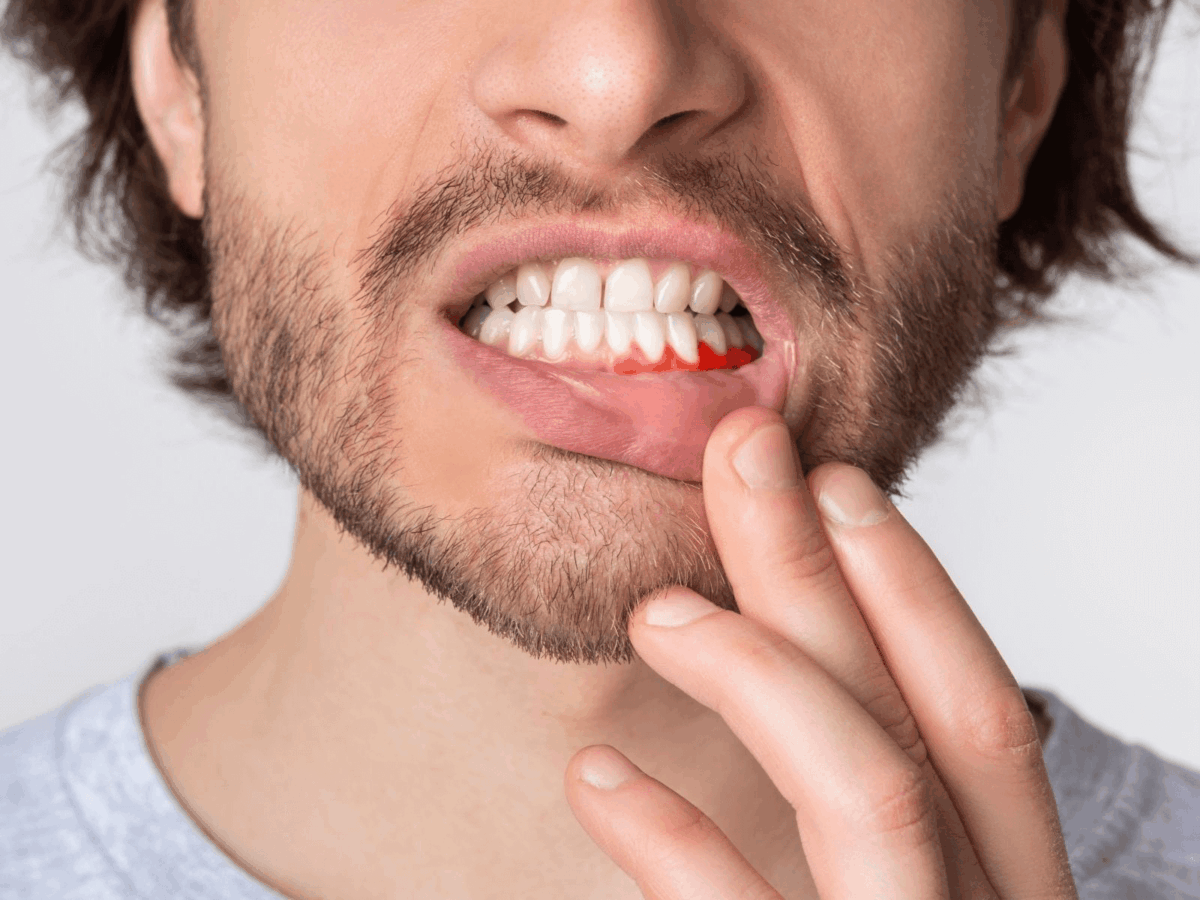
Early Signs of Gum Disease You Should Never Ignore
Most gum issues do not start with pain that feels urgent. They creep in slowly. Blood in the sink, odd tenderness, or a bad taste after meals can come first. Each change feels small. When they keep coming back for months, they become clear signs of gum disease.
Healthy gums usually feel calm and stable. They do not bleed or pull back during normal cleaning. When changes continue, it often means the gums need care sooner rather than later. Catching this early makes treatment less complicated.
Bleeding That Keeps Returning While Daily Cleaning
Bleeding gums may be an early sign of gum disease. Most people assume the brushing caused it. That explanation fits once or twice. Bleeding that keeps returning usually means the gums are not healthy.
Plaque near the gumline irritates the tissue slowly. Some days, the bleeding barely shows. Other days, it feels noticeable. When it keeps coming back, it turns into one of the clearer signs of gum disease and a reason to look more closely at daily care.
Red Or Puffy Gums That Do Not Settle Down
Light pink and firm gums are normal. Swollen gums mean that something is wrong. These shifts happen slowly. A quick glance in the mirror can miss them easily.
Swollen gums can feel strange when the tongue moves over them. Chewing may hurt in certain spots. Dentists often see these as early-stage signs of gum disease because the gums react before deeper trouble begins.
Bad Breath That Does Not Improve After Cleaning
Bad breath is sometimes just food or dryness, and it passes. When it does not clear up with brushing, it can be an early warning sign of gum disease. Smell causes bacteria to live under the gums, where mouthwash cannot reach well.
The breath may improve briefly and then return. This pattern usually means the problem runs deeper. Looking at the gums helps spot buildup early and handle it before it worsens.
Gums Slowly Pulling Back From The Teeth
Receding gums take time. It happens slowly. Teeth may look longer, and the gumline can drop without much notice. People often catch it only when brushing feels strange or when looking at close-up photos.
When the gums move back, pockets can appear and hold bacteria. Those pockets are signs of gum disease because bacteria hide underneath. Early care and simple cleaning help prevent more trouble.
Sensitivity That Increases Near The Gumline
Teeth can feel sensitive for many reasons. Gums are often one of them. When gums move back, the roots are less covered and react to hot or cold. The feeling can come and go, so people usually ignore it.
When sensitivity happens alongside other gum changes, it often signals the presence of early disease. Noticing that teeth react more strongly to temperature is a practical way of spotting early signs of gum disease and deciding it is time to get an evaluation.
When Gums Feel Sore For Days
This soreness feels more dull than sharp. When cleaning and eating keeps causing that ache? Swelling is often there. Since it is not very painful, people often ignore it until other signs show up.
Ongoing tenderness suggests that plaque has caused irritation for a period. That ongoing irritation ranks among the common signs of a gum disease and deserves attention so that early treatment can focus on simple cleaning improvements and preventive steps.
Food Is Getting Stuck In The Same Spots Repeatedly
When gums change shape or pull back, spaces between teeth can form or widen. Food then lodges in the same places more often than before. That pattern is more than an annoyance; it often reflects shifting support at the gumline.
Repeated trapping of food matches many patient descriptions of what the signs of gum disease are, because it highlights anatomical changes rather than isolated tooth problems. Noticing this pattern usually prompts practical cleaning adjustments and a dental review.
Teeth Feel Different When Biting
Gum disease affects the tissues that keep teeth steady. Over time, that support can change and make the bite feel a little off. Some teeth may feel less secure. These shifts are often small but matter when they keep happening.
Noticing a change in the bite or feeling slight looseness while chewing are quieter signs of gum disease. Many people do not link this to gum health at first. These feelings often lead to a checkup to see what support has changed and plan care.
Small Pus Or Discharge Near The Gums
Pus or a small discharge by the gumline indicates infection has reached a deeper level and the body is reacting. Even minimal discharge should never be ignored because it signals bacteria are active beneath the surface and the condition needs treatment.
This sign appears in more advanced early stages and is considered among the clearer warning signs of gum disease that must be addressed promptly to prevent damage to bone and supporting tissue.
Why These Early Signs Should Lead To Action
Gum disease often moves slowly when nothing is done. It can start with mild swelling and later affect deeper tissue and bone. Little swelling is much easier to manage with cleaning and small habit changes. Later stages usually need more involved treatment.
Seeing an early sign of gum disease early keeps things simple and helps avoid long term damage. Quick action protects the gums and reduces the need for complex care later.
Daily Habits That Change Gum Outcomes
Plaque stays between teeth when flossing is not done. A toothbrush does not reach those spots. If brushing is not regular, bacteria sit near the gums and slowly cause trouble. Over time, these habits create space where signs of gum disease begin to show.
Smoking increases the risk. Waking up with a dry mouth does too. Paying attention to daily habits can prevent early problems and help gums stay healthy for years.
Stress And Its Influence On Gum Recovery
High stress affects healing in the body. It slows immunity and disrupts daily habits. That mix can cause existing gum irritation to grow over time. Stress is not the cause of gum disease. It is usually present when early-stage signs of gum disease progress quickly than expected. Staying consistent with care helps limit that change.
When To See A Dentist
Swelling that does not go away for days is serious. Even mild pain needs a dental visit when changes repeat. A dentist or hygienist can assess the issue and suggest easy ways to handle it early.
Early visits usually include cleaning and basic routine changes. Taking action sooner usually means simpler care and better results than waiting too long.
Simple Prevention That Makes A Difference
Cleaning daily clears plaque before it turns hard. Professional cleanings manage buildup that home care does not reach. Small, steady actions over time protect the gums and lower the chance that early signs slowly grow into bigger problems later. These prevention steps work best when they become a normal part of daily life routines again.
Final Thought
Gums should feel ordinary and not draw attention during daily life. Small changes are worth noting and often easy to fix. Noticing what are the signs of gum disease early keeps treatment simple and outcomes positive.
If gums are acting differently or any warning signs feel familiar, book a dental check to get clarity. Early guidance keeps changes small and preserves long-term oral health.

