
Blog
Dental hygiene tips for healthy teeth & gums
How Do Palatal Expanders Work? A Step-by-Step Explanation
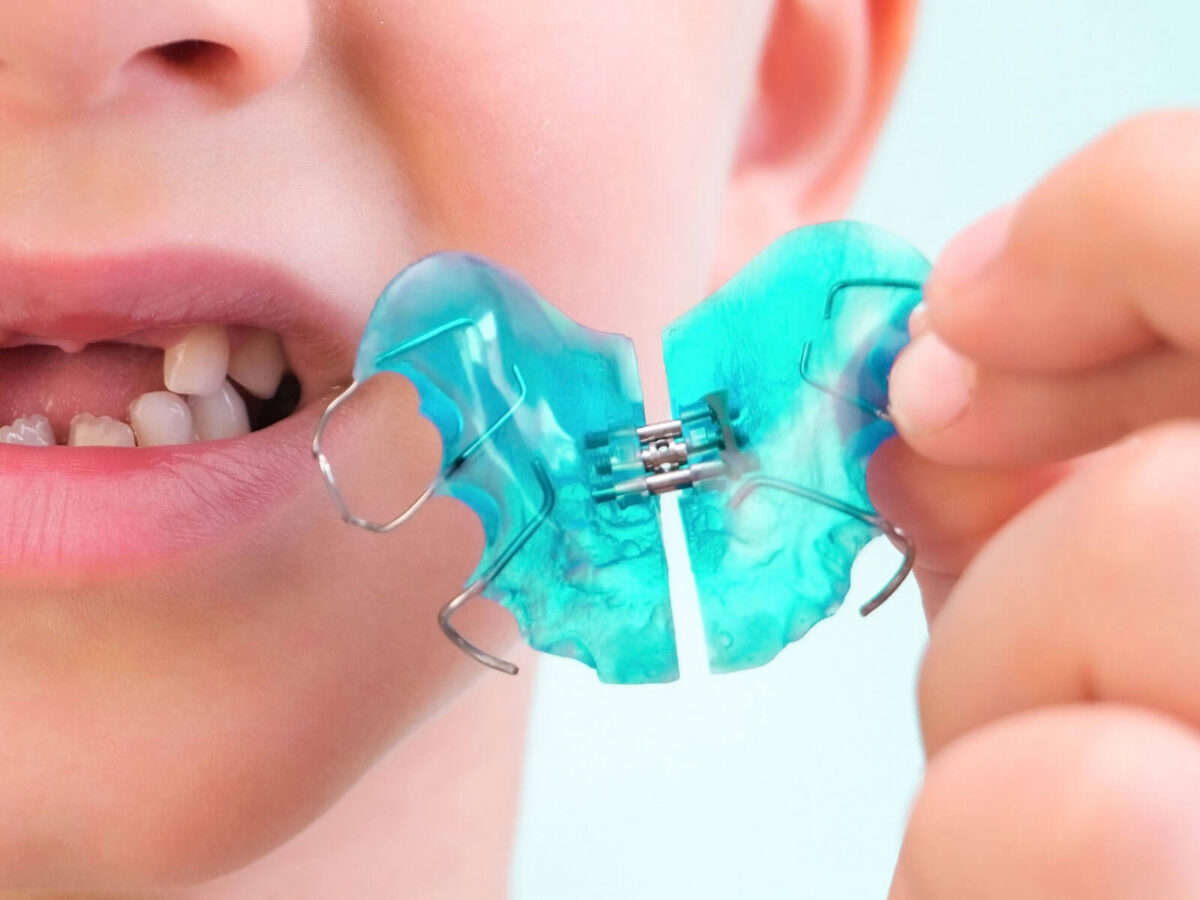
How do palatal expanders work is one of those questions that sounds a lot more complicated than the actual answer. A small device sits against the roof of the mouth. A screw in the middle gets turned a tiny bit each day. That’s really the whole mechanism, stripped down.
The hard part isn’t the concept. It’s getting a kid used to having something new and metal in their mouth for the first week or so.
My neighbor’s daughter had one put in at eight, and what stuck with me most was how fast it stopped being a big deal. Within about ten days, the turning key was just part of the morning routine, tucked in right alongside brushing teeth, no drama attached anymore. Kids adapt to this stuff faster than most parents brace themselves for.
TL;DR
How do palatal expanders work? There’s really just one screw, turned a small amount once a day. That’s what widens the upper jaw – pressure applied right at the suture down the middle of the palate, with new bone filling in behind it as the gap opens.
Active turning takes two to four weeks. Four to six months total, once the device stays in afterward for the new bone to harden and settle.
Below: the mechanism step by step, the typical turning schedule, and the full timeline from first turn to removal.
What Is a Palatal Expander, Exactly
Cleveland Clinic explains that the upper jaw isn’t one solid bone, the way it might feel from the outside. It’s actually two separate bones, joined by a suture running down the center of the palate. In kids, that suture hasn’t fused into one solid piece yet, which is the entire reason expansion is possible at that age.
The device hooks onto the back upper molars and sits against the roof of the mouth, with a screw mechanism built right into the center. It looks like more is going on than there actually is. Really, it’s just steady pressure, one direction, applied day after day.
Why Does a Jaw Even Need Widening
Crowded or impacted teeth come up most often as the reason. Not enough room for everything to sit right, and a narrow palate is usually behind that crowding to begin with. Crossbites show up a lot too, upper teeth sitting inside the lower ones instead of outside, sometimes just one side, sometimes the whole arch.
Cleveland Clinic points to a narrow palate as the common thread under both problems. Widen it first, and everything after tends to go easier. Braces move teeth more predictably. Impacted teeth get a real path to come in where they’re supposed to.
How Do Palatal Expanders Work, Step by Step
Step 1: The device gets placed. It starts with an impression or a digital scan. Then the expander gets custom-fitted to anchor onto the back molars. Going in, it doesn’t hurt, just feels a bit strange and bulky for the first day or two.
Step 2: Give the screw a turn with the key. A key fits into the center screw. Turning it once a day, following whatever schedule the orthodontist wrote down at the fitting, is the whole job. Parents do it for younger kids. Older ones sometimes handle it themselves.
Step 3: The suture gradually separates. Each turn adds a tiny bit of tension across that midline suture. Not one big movement. Hundreds of small ones.
Step 4: New bone fills the gap. That empty space doesn’t stay empty for long. The body fills it in on its own, laying down fresh bone as the gap opens. Without that, the palate would just spring back once the pressure stopped.
Step 5: Active expansion wraps up. Once the target width is reached, turning stops for good. The device stays in place for several more months while the new bone finishes hardening.
Step 6: The expander comes out. Cleveland Clinic notes that removal happens once the orthodontist confirms the bone has fully stabilized, sometimes followed by a retainer.
Wondering If Your Child Needs a Palatal Expander?
Get a real evaluation from an orthodontist. Find out if this is the right fit for your kid’s case.
What’s a Typical Palatal Expander Turning Schedule
The palatal expander turning schedule depends on the provider and how much widening a case needs. Once a day is the most common instruction by far, usually for two to four weeks straight.
Some orthodontists space it out differently. Every other day, sometimes. A set number of turns per week, depending on the type of expander. Whatever gets prescribed, sticking to it closely matters. Missing days, or trying to double up later to catch up, can throw off how evenly the palate widens.
What Does Turning Actually Feel Like
Mild pressure, mostly. There’s usually a quick pinch for a second as the key turns and the screw actually moves, then it fades.
It’s not painful for most kids going through it, more of an odd, unfamiliar feeling that becomes routine after the first several turns.
I’ve heard parents say their kid stopped mentioning it entirely by the end of the first week. Some notice more than others, and that variation is completely normal.
What’s the Full Palatal Expander Timeline
The palatal expander timeline breaks down into a few distinct phases, and taken together, it runs longer than most families expect walking into that first appointment.
Active expansion, the turning phase, usually takes two to four weeks. After that comes stabilization, where the device just sits in place holding the new width steady while bone fills in behind it. That stretch runs another three to six months.
Most kids end up wearing the device for four to six months total, turning phase included. Adults using a surgically assisted expander are looking at a longer timeline. A fully fused adult jawbone needs extra help getting started before real expansion can happen.
What Is Rapid Palatal Expansion
Rapid palatal expansion is the faster version of this whole process, using a screw mechanism that widens the palate more quickly than a slower expander would, sometimes around half a millimeter of movement per day.
It’s the more common approach for kids. A faster expansion timeline means less total time with the device in place. The tradeoff is a bit more discomfort during the active turning weeks, though most kids tolerate it fine.
FAQ
How long does it take to notice the palate widening?
Often within the first week or two, sometimes visible as a small gap opening up between the two front teeth as the suture starts to separate.
Does turning the expander hurt every time?
Not painfully, no. A brief pressure sensation, sometimes a light pinch, then it’s gone.
What happens if a turn gets missed?
One missed day usually doesn’t matter much. A string of missed days is different and worth flagging to the orthodontist since it can push the timeline back.
Is rapid expansion safe for kids?
Yes. It’s a well-established approach that works specifically because a child’s palate hasn’t fully fused yet. That makes the bone far more responsive to steady daily pressure than an adult’s would be.
Conclusion
How do palatal expanders work? One small turn a day, slow pressure, repeated until a narrow palate widens enough to make room for whatever comes next. That’s really the whole thing.
It takes longer than most parents expect while walking in. But kids adjust faster than expected too, usually within the first week or two.
If an orthodontist brings up a palatal expander, the specific turning schedule and timeline are worth asking about by name, not assumed to match what worked for a neighbor’s kid or an older sibling.
Have Questions About the Process?
Get a clear walkthrough from an orthodontist. We’ll answer exactly what to expect for your child.

