
Blog
Dental hygiene tips for healthy teeth & gums
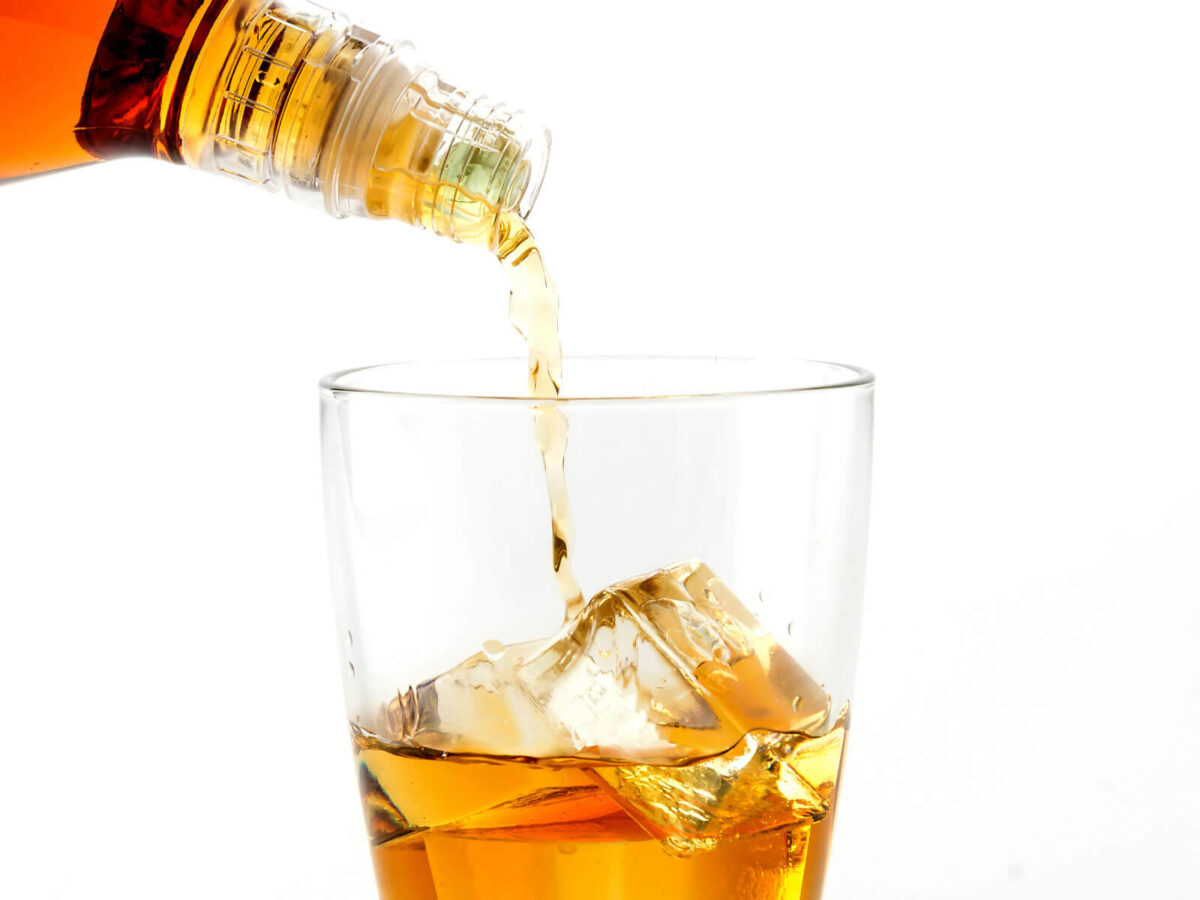
What Does Alcohol Do to Your Teeth?: Effects on Enamel, Gums, Saliva, and Cancer Risk
Dentists can often tell how much someone drinks before the person says a word. Stained enamel, dry mouth, gum tissue that looks a little worse for wear than it should at a given age.
That’s not a guess or a party trick. What does alcohol do to your teeth covers a real, visible list of changes, some fast, some that build up over years without anyone noticing until a checkup flags it.
What Does Alcohol Do to Your Teeth, Chemically Speaking
A study on canned alcoholic drinks and their effect on enamel ran pH tests across several premade cocktails, the kind sold in cans at any gas station. Every reading landed between 2.75 and 3.04.
Enamel needs 5.5 just to hold steady, so none of them came close.
Every beverage tested except plain water left the enamel measurably softer and rougher afterward. That erosion threshold holds up elsewhere too. A separate study measuring beverage pH and how it relates to enamel erosion puts the same 5.5 mark as the cutoff, and most alcoholic drinks sit well under it before anyone’s even added a sugary mixer on top. Enamel just doesn’t stand a chance against acid that far outside its range. Chemically speaking, that’s what alcohol does to your teeth before anyone even factors in sugar, staining, or dry mouth.
Why Alcohol Dries Out Your Mouth
Alcohol’s a diuretic. You lose more fluid than you take in, and saliva production drops right along with everything else. Penn Dental Medicine ties this directly to reduced saliva output after drinking, calling it the main mechanism behind alcohol’s damage to teeth, not just a side effect of feeling dehydrated.
Saliva does more work than most people realize. It buffers acid all day and rinses bacteria off your teeth without you noticing any of it happening. Cut that down, even a little, and both problems get more time to sit there.
People often describe the morning-after dry mouth as worse than the hangover itself. That’s what alcohol does to your teeth overnight – saliva stops doing its job right when your mouth needs it most.
Staining, Cavities, and the Bacteria Angle
Staining runs on a completely different mechanism from the acid damage. Red wine and dark beer carry tannins and chromogens that latch onto enamel and build up the more often you drink them, and whiskey does its own version of the same thing over time.
Prosecco has a reputation of its own, carbonation and acid working together enough that some dentists just call it “prosecco teeth” now.
A dry, acidic mouth also happens to be exactly what cavity-causing bacteria like best. Put those two conditions together, and decay tends to move faster than either one alone would explain, which is part of why alcohol is bad for your teeth isn’t really a yes-or-no question once bacteria enter the picture.
Can Drinking Alcohol Cause Gum Disease
Yes. A narrative review on alcohol and periodontal disease looked at what chronic drinking does to the mouth’s bacterial population. The balance tips toward the species most tied to gum disease.
Heavy, long-term drinking compounds that further. Malnutrition and a weaker immune response tend to show up alongside it, and liver changes can add another layer on top of the bacterial shift, none of them staying isolated for long.
The most severe cases in that review, patients dealing with real alcohol dependence, developed necrotizing gingivitis. That’s not something most dentists see outside that specific group, but it shows how far this damage can go once drinking becomes chronic rather than occasional.
How Does Alcohol Raise Cancer Risk in the Mouth
This part isn’t up for debate the way some dental warnings are. Alcohol’s been classified as a carcinogen since 1987. Penn Dental Family Practice lays out the mechanism: ethanol converts to acetaldehyde almost the moment it enters your body, and acetaldehyde damages DNA directly. Head, neck, and esophageal tissue take the worst of it.
Smoking and drinking together make it worse than either alone. A systematic review on alcohol-based mouthwash and oral cancer tracked salivary acetaldehyde levels and found the combination pushed the number higher than simply adding the two risks together would predict. It’s a heavier answer than most people expect from a question about what alcohol does to your teeth, but the research doesn’t leave much room to soften it.
Do All Types of Alcohol Damage Your Teeth Equally
Sweet cocktails. These do the most damage, full stop. Bacteria feast on the sugar. Acid softens the enamel underneath. Neither one waits for the other.
Wine. It stains regardless of color. White is actually often more acidic than red, which surprises people who assume red does all the work.
Beer. It sits closer to neutral than most people guess. Dark beer stains anyway, acid level or not.
Straight spirits. These skip the sugar problem entirely. What you mix in matters more than the base liquor ever does when it comes to what alcohol does to your teeth over a night of drinking.
What Alcohol Does to Veneers and Crowns Over Time
Alcohol-based mouthwash wears down the bonding agent holding veneers and composite in place over years of use. A veneer can come loose well before it should.
Composite stains faster than natural teeth, too. Porcelain holds up fine against wine and coffee, but composite doesn’t, and that mismatch, one tooth a shade off from the rest, is usually the first thing a patient notices in the mirror. It’s a smaller piece of what alcohol does to your teeth, but an expensive one if veneers are already in the picture.
Does Your Mouth Heal If You Stop Drinking
Saliva comes back first, usually within a week or two. Stop the dehydration, and the glands just start working again.
Gums are slower. Years of a shifted bacterial balance don’t reverse on their own, drinking or not. That part needs a dentist, not just time off alcohol.
Cancer risk is the slowest of all, tracking closer to what happens after someone quits smoking. The exposure that already occurred stays on the books. What changes is the risk going forward, which starts dropping the moment the drinking does. Most of what alcohol does to your teeth turns out to be reversible, just not on the same clock for every part of the mouth.
How Can You Protect Your Teeth Without Giving Up Drinking
Use a straw. For mixed drinks, this keeps liquid off your front teeth, where most of the visible damage actually shows up.
Wait to brush. Softened enamel needs time to reharden. Roughly half an hour works. Brush too soon, and the toothbrush does more damage than the drink did.
Drink water between rounds. It handles two problems at once – the dehydration and whatever sugar or acid is still sitting on your teeth. Existing damage stays put either way, but new damage slows down.
FAQ
Will an occasional drink actually damage your teeth?
It’s not nothing. One night out is enough to lower your mouth’s pH and slow saliva for a good while after.
Is alcohol-based mouthwash just as risky for cancer?
Yes, in a real way. Acetaldehyde goes up either way, and smoking on top of it pushes that further. Alcohol-free versions avoid the problem outright.
Can enamel repair itself after alcohol softens it?
Softening can heal. Give it time, saliva, and fluoride take care of that layer. Full erosion is different. Once that’s gone, no amount of time brings it back.
Which matters more for your teeth, what you drink or how often?
Less than people assume. Frequency does more damage than the drink itself. Someone having a cocktail every night wears their teeth down faster than someone having a shot once a month, whatever the shot is.
Conclusion
What does alcohol do to your teeth, really? It dries out the mouth. It softens enamel. It shifts gum bacteria toward the kind linked to disease, and on top of all that, raises a cancer risk that’s been documented for decades. Most of it happens quietly enough that nobody notices until a dentist points it out first.
If you drink regularly and haven’t mentioned it at a cleaning, bring it up next time. Takes two minutes, and it tells your dentist exactly what to actually be looking for when it comes to what alcohol does to your teeth over the long run.

