
Blog
Dental hygiene tips for healthy teeth & gums
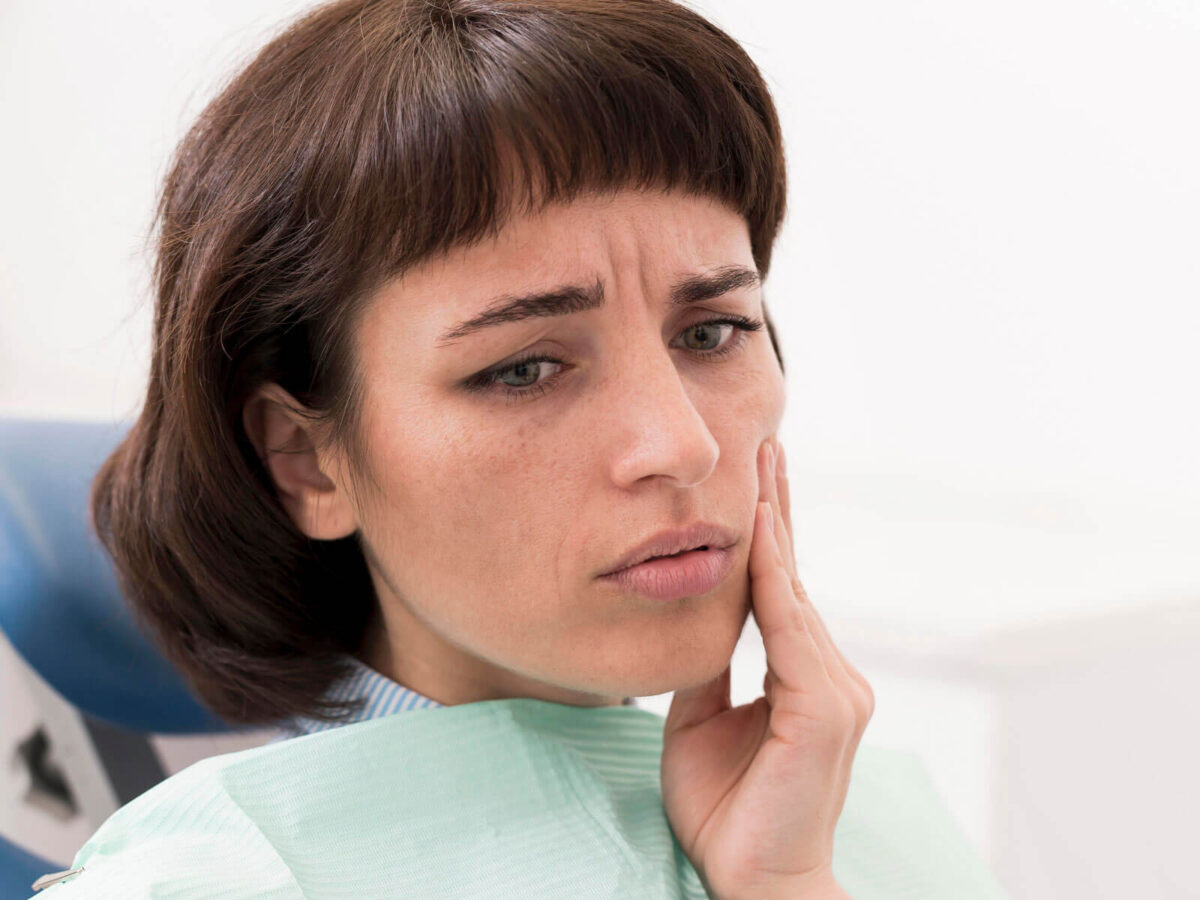
Dental Anxiety in Adults: Causes, Coping Strategies, and Treatment Options to Overcome Fear
My coworker hasn’t seen a dentist in six years. Not because of money. A root canal went wrong in her twenties, and she never went back, toothache or not.
“I’d rather feel it than sit in that chair,” she told me once. That’s what dental anxiety in adults actually looks like. Enough people deal with it that whole practices build their entire approach around managing it.
What Causes Dental Anxiety in Adults
A PMC review on the etiology of dental anxiety and how internal and external factors interact calls the causes multifactorial. There’s rarely one clean answer for any single patient.
Past trauma comes up constantly. A painful procedure. A dismissive dentist. Something bad that happened as a kid still shapes how someone walks into a dental office decades later.
Loss of control is its own separate driver. A PMC study on dental anxiety, quality of life, and the beliefs that sustain both points to negative beliefs about pain and a felt loss of control as core contributors, alongside prior trauma. Lying back, unable to speak, someone is working inside your mouth. For a lot of people, that taps into something deeper than fear of pain itself.
Needle aversion shows up as its own thread in the research, separate from general clinical discomfort. So does dread of anticipated pain, which often has nothing to do with what actually happens in the chair. Understanding what causes dental anxiety usually means untangling two or three of these at once, not settling on a single explanation.
Dental Anxiety vs. Dental Phobia – What’s the Difference
Dental anxiety is a general worry before or during a visit. A PMC review on the etiology of dental anxiety and phobia confirms dentophobia is more severe, recognized by the World Health Organization as its own disease entity under ICD-10.
Anxiety might mean a racing heart in the waiting room. Phobia can mean years, sometimes decades, of avoiding a dentist entirely, regardless of pain or visible decay. A PMC paper on diagnosing and treating dental phobia puts severe dental anxiety or phobia at somewhere between 5 and 15 percent of adults worldwide.
What Are the Symptoms of Dental Anxiety
Physical and mental symptoms of dental anxiety tend to show up together. A racing heart. Sweating. Muscle tension the moment a dental office comes into view, sometimes days ahead of the actual appointment.
Sleep disruption the night before is common too. I’ve heard people describe lying awake, running through everything that could go wrong before they’ve even sat in the chair.
Catastrophic thinking shows up a lot on the mental side. Patients describe a strong sense that something will go wrong, out of proportion to whatever the procedure actually is.
Avoidance becomes its own symptom eventually. Canceling appointments repeatedly, or never scheduling one at all despite visible problems, stops being procrastination and starts being a pattern worth naming.
How Common Is Dental Anxiety Actually
Common enough that dentists plan for it by default. A PMC study surveying 1,549 adults found 70 percent feel anxious before a dental exam, with 20 percent qualifying as highly anxious and 5 percent avoiding treatment entirely.
A separate PMC study landed close to those same numbers. Roughly 80 percent of adults in developed countries report some unease before treatment. Far fewer call themselves scared, and fewer still skip care altogether. When researchers measure fear and anxiety specifically, the global prevalence of dental anxiety in adults is around 15.3 percent.
Why Do Women Report More Dental Anxiety Than Men
Women report more fear of the dentist than men do, by a wide margin. A PMC study on orthodontic patients and how anxiety differed by gender at the start of treatment backs that up, women scored higher on most anxiety measures, though the gap didn’t always hold up statistically.
Age matters on its own. Dental anxiety tends to drop as people get older, and fear above age 60 is notably less common. One study found 15 – 25-year-olds showed less fear than slightly older groups. Nobody’s fully explained that pattern yet.
What Coping Strategies Help Before an Appointment
Tell-show-do. A step gets explained, the instrument gets shown, then it happens. Started as a technique for kids, but I’ve seen adults ask for it too, especially anyone dealing with dental anxiety.
Headphones. Something familiar drowns out the drill better than silence does. A favorite playlist, an old podcast episode already half-listened to.
Morning appointments. A full day of dread building beforehand doesn’t help most people. Some patients also do better right after eating, since hunger can spike anxiety on its own.
A stop signal. A raised hand, agreed on before treatment starts, hands back some of the control that anxiety research keeps pointing to as a core driver.
What Sedation Options Exist for Anxious Patients
Nitrous oxide. The mildest and most common option. Of the practices that offer sedation, 70 percent use nitrous oxide, according to the ADA. A small mask, quick onset, and fast enough recovery that most patients drive themselves home.
Oral sedation. A pill before the appointment leaves patients conscious but noticeably relaxed. Some remember very little of the actual procedure afterward, and it’s typically reserved for moderate dental anxiety or longer appointments.
IV sedation. Medication goes straight into the bloodstream, giving deeper relaxation and more control over the level. Delta Dental notes the ADA requires specific training and supervised cases before a dentist can offer it, 60 hours of classroom time, and at least 20 supervised infusions.
General anesthesia. Full unconsciousness, sitting furthest out on the scale. Reserved for extensive surgery or anxiety severe enough that nothing else makes treatment possible.
Can Therapy Actually Treat Dental Anxiety
Yes. A PMC paper on treatment models for dental anxiety and phobia puts cognitive behavioral therapy at the center of evidence-based treatment, often delivered jointly between a psychologist and a dentist.
Researchers call the underlying pattern a vicious cycle. Avoidance worsens oral health, which raises the stakes of whatever treatment eventually happens, which drives more avoidance. Breaking that loop sometimes means addressing the psychology directly instead of just getting through one appointment at a time.
Some clinics build for that from the start, running therapy and dental treatment as one coordinated effort rather than two separate tracks. For dental anxiety in adults that’s severe enough to derail care entirely, that coordination tends to matter more than any single technique.
Should The Dentist Know About Your Dental Anxiety
Yes. Talk about it clearly. I’ve seen dentists shift entire appointments once they know, slowing down, explaining each step before it happens, mentioning sedation options a patient never thought to ask about.
Name specific triggers if you know them. Needles. Certain sounds. The feeling of not being able to swallow. Loss of control generally. Each one points toward a different accommodation a dentist can actually make for dental anxiety in adults.
FAQ
Can dental anxiety develop without one specific traumatic event?
It can, and often does. Some people never had one bad appointment; they just built up a general dread over years of putting things off.
Does avoiding the dentist make anxiety worse over time?
Usually. A skipped cleaning turns into a filling. A skipped filling turns into a root canal. By the time someone books, there’s more waiting for them than there ever was.
Can someone with severe anxiety safely be sedated at the dentist?
Depends on the dentist. Training and ADA compliance are what actually make it safe, not the anxiety level of the patient.
Does dental anxiety from childhood ever go away? Or does it stick around into adulthood?
Both, depending on the person. General fear tends to fade with age. But if a specific childhood event caused it, that piece can stick around for decades without treatment.
Conclusion
Roughly seven out of ten people walking into a dental office deal with some version of dental anxiety in adults. The causes differ from person to person – trauma, loss of control, a fear of needles that never quite goes away. Treatment options have moved well past just gritting your teeth through it.
If anxiety has kept you away from a dentist, say so before skipping another appointment. Ask about sedation. Ask about a stop signal. Ask for whatever turns the chair into something you can get through instead of something to survive.

