
Blog
Dental hygiene tips for healthy teeth & gums
Gingival Enlargement Treatment: Options, Costs, and Recovery
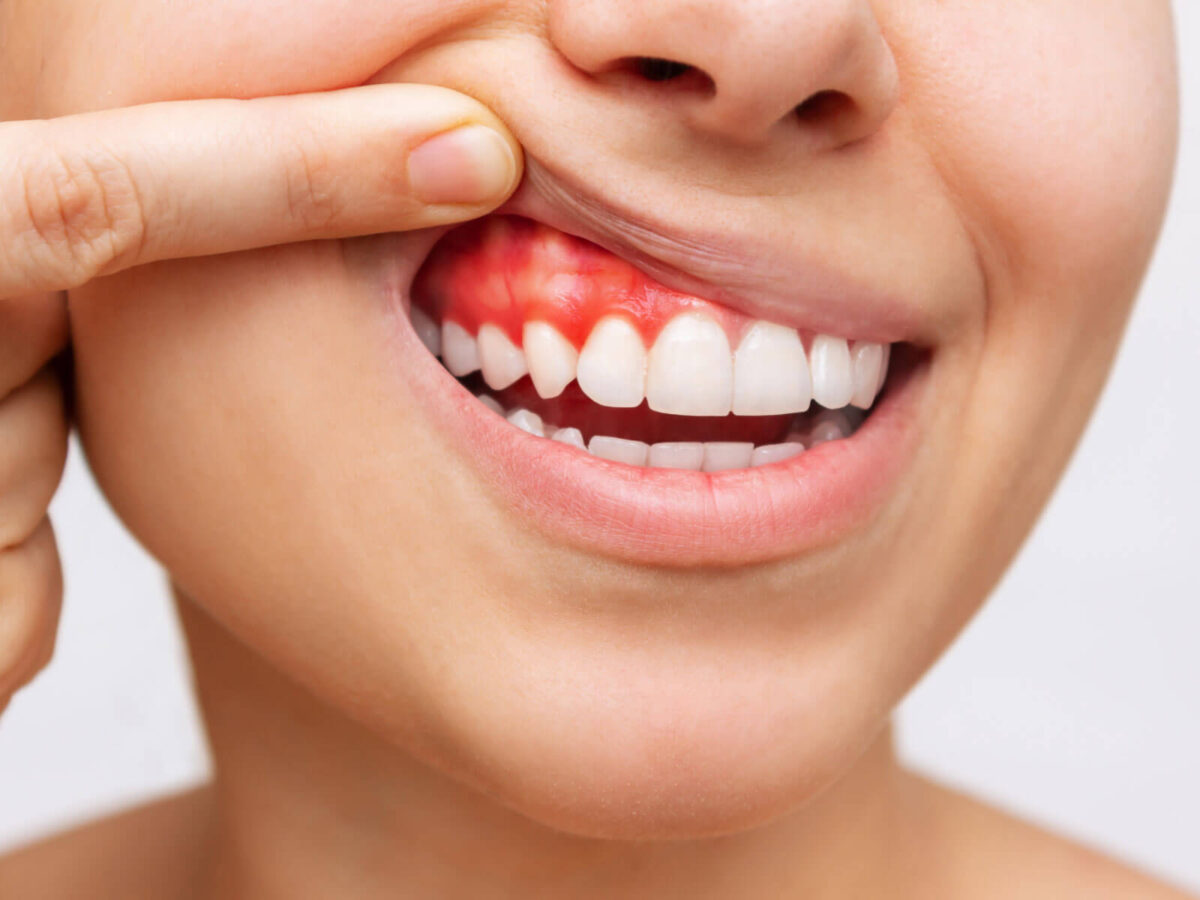
Gingival enlargement treatment usually isn’t what someone searches for after noticing one small thing. Usually, something has been building for a while. The gums start creeping further down the teeth. Brushing feels off. Flossing catches where it never used to. At some point, the teeth just look shorter than they did before.
The enlargement is only part of it. What’s behind the change matters just as much. Two people can sit in the same chair with gums that look nearly identical and walk out with completely different treatment plans.
Why Might Gingival Enlargement Treatment Be Needed
Gingival enlargement treatment isn’t always something people actively look for. Pain isn’t always part of the picture, which is exactly what makes it easy to ignore for so long. The tissue just keeps building up. Certain spots start bleeding more. Food gets stuck somewhere it never used to. Cleaning takes longer than it should. A lot of people only find out when a routine exam picks it up, and they weren’t even there for their gums.
Getting the gums under control isn’t just about how they look. It’s about being able to actually clean around the teeth properly, and the overgrowth is making that harder than it should be.
What Are The Most Common Causes Of Gingival Enlargement
Plaque buildup is one of the more straightforward ones. Years of irritation eventually tip the tissue into overgrowth rather than just inflammation. Certain medications do it too. Anti-seizure drugs, immunosuppressants, and calcium channel blockers are the ones that come up most often. Hormonal changes and genetics can also be behind it.
Two people can walk in with nearly identical-looking gums and have completely different explanations for it. A Journal of Clinical and Experimental Dentistry review puts inflammatory and drug-induced gingival enlargement among the most common forms seen in practice.
Do Enlarged Gums Always Need Surgery
Quite often, yes. Most gingival enlargement treatments start well before surgery comes up. Cleaning up the plaque situation, getting the inflammation under control, and tighter home care, these can move things in the right direction when inflammation is what’s driving the overgrowth.
Some cases respond well and stay that way. Others improve partially and need more down the line. Surgery tends to come up only when conservative care has had a fair chance, and the tissue hasn’t shifted enough.
How Do Medications Cause Gingival Enlargement
It gets more complicated. Cleaning helps, but the drug keeps doing what it does to the tissue. The gums may settle down a little and then slowly creep back.
Sometimes there’s a conversation with the prescribing physician about switching to something else. Sometimes that’s not an option. Either way, the dental side of things has to work around whatever the medical situation allows. A review in the Journal of Indian Society of Periodontology notes that drug-induced gingival enlargement often requires both dental and medical providers working together.
How Do Dentists Decide Which Treatment To Recommend
The appearance of the gums is only one part of it. Dentists also look at plaque levels, periodontal health, medication history, and how much the excess tissue is affecting the patient’s ability to keep things clean.
Someone with mild inflammatory enlargement may get a very different recommendation than someone whose gums have grown significantly from medication use. Treatment planning starts with identifying the cause. What comes after that depends on how the tissue actually responds.
What Surgical Treatments Are Used For Gingival Enlargement
Medication history comes up early in any gingival hyperplasia assessment. A dentist who doesn’t know what someone is taking is missing a significant piece of the picture. Beyond that, pocket measurements and radiographs fill in what a visual exam can’t show.
Medication-related cases sometimes need a different approach than cases that come from chronic inflammation. That’s why the same-looking problem can lead to a different procedure depending on the person.
What Is A Gingivectomy
When gingival enlargement gets to the point where it needs to come off, a gingivectomy is usually the procedure involved. It takes out the excess tissue and reshapes the gum line in the process.
It can be performed using traditional surgical techniques or, in some practices, with laser technology. The procedure has been part of periodontal treatment for decades. When the overgrowth is significant and hasn’t shifted with other treatments, this is usually where things land.
Can Lasers Be Used To Treat Enlarged Gums
Yes. Laser treatment has become more common in periodontal procedures over the years and can be used for certain soft tissue cases, including excess gum tissue.
Not every case of gum enlargement gets treated with a laser. The decision depends on the clinical findings, what the provider works with, and what the treatment is actually trying to achieve. The technology is one option. Whether it’s the right call depends on what’s actually going on with the tissue.
What Is The Cost Of Gingival Enlargement Treatment
There’s no single answer because there’s no single treatment. Someone getting periodontal cleaning is in a very different situation than someone needing surgery across multiple areas.
Non-surgical periodontal treatment in the US generally runs $150 to $400 per quadrant. Surgical cases, gingivectomy included, tend to fall somewhere between $200 and $1,500 per area, with more involved cases going higher. Coverage varies by plan. The only number that actually means anything comes from the provider after they’ve looked at the case.
What Is Recovery Like After Treatment
Recovery looks different depending on what the treatment actually involves. A cleaning or periodontal therapy, and most people are back to normal within a day or two. There’s not much to manage. Surgical procedures are another matter entirely.
The gums tend to be sore for a few days after surgery. Eating has to be adjusted for a bit — softer foods, nothing too hot or too rough against the tissue. There are follow-up visits to check on the healing.
The first couple of weeks are where most of the obvious healing happens. The soreness eases, and the gums start looking more like themselves. But the gums keep adapting after that, even once the surface looks healed. That part just happens more quietly.
Can Gingival Enlargement Return After Treatment
It can. Recurrence depends heavily on the underlying cause.
Plaque-related gingival enlargement can come back if inflammation builds up again. Medication-related cases can return when the drug influencing the tissue is still part of the patient’s treatment plan.
Treating the tissue doesn’t change what caused it to grow in the first place. Skipping maintenance is usually how it comes back.
The Journal of Indian Society of Periodontology notes this is especially common in medication-related cases.
FAQs
What is the best gingival enlargement treatment?
The one that matches the cause. A lot depends on what’s actually causing it.
Can Gum Enlargement Heal Without Surgery?
Sometimes. If it’s plaque and inflammation, getting on top of the cleaning situation can bring the tissue back down.
What Leads To Gingival Enlargement?
It varies. Plaque is one path, certain medications are another. Genetics and hormones can factor in, too.
Is gingivectomy painful?
It’s done under local anesthesia. Some tenderness afterward is normal. How much varies person to person.
How long does recovery take?
Most of the obvious healing wraps up in the first week or two. After that, the tissue just keeps quietly settling.
Conclusion
When it comes to gingival enlargement treatment, the first question isn’t which procedure to use. It’s why the enlargement developed.
That’s what shapes everything that comes after. Some cases improve with non-surgical periodontal therapy. Others need a gingivectomy or further periodontal work. Medication-related cases may involve both dental treatment and medical consultation.
No two cases follow the same path, and treatment reflects that. If the gums have been changing, a consultation is where to start.

